/2026-07-23/Fashion.png?width=1280&name=Fashion.png)
Growing a fashion brand has never been more exciting. It has also never been more competitive.
Consumers are discovering products through social media, shopping across multiple channels, expecting next-day delivery, and returning items more frequently than almost any other retail sector.
Launching a great product is only part of the equation.
Behind every successful fashion brand is an operation capable of keeping up with demand, managing inventory effectively, and delivering the kind of customer experience that encourages shoppers to come back.
That's where fashion eCommerce fulfillment becomes a key advantage.
In this guide, we'll explore the role fulfillment plays in fashion retail, common challenges growing brands face, and practical tips for building a fulfillment strategy that supports long-term growth.
What is fashion eCommerce fulfillment?
Fashion eCommerce fulfillment is the process of storing inventory, picking and packing orders, shipping products, processing returns, and managing inventory for online fashion retailers.
It covers every operational step between a customer clicking ‘Buy Now’ and receiving their order.
Modern fashion fulfillment services often include:
- Inventory management
- Warehousing
- Pick and pack
- Order shipping
- Returns processing
- Inventory visibility
- Marketplace integrations
- Real-time reporting
The goal is much more than just shipping products. It's to create a smooth customer experience while helping brands operate more efficiently behind the scenes.
Why fulfillment matters in fashion
Fashion moves fast. Customer expectations move even faster.
Today's shoppers expect:
- Fast shipping
- Accurate delivery estimates
- Simple returns
- Reliable inventory availability
- Consistent experiences across every sales channel
If one of those things falls short, customers have plenty of alternatives.
Fashion has one of the highest return rates in eCommerce, making operational efficiency especially important.
Build your fulfillment strategy around growth
Many brands start by fulfilling orders themselves, and, for early-stage businesses, that often makes perfect sense.
But as order volumes increase, so does operational complexity.
Packing orders after hours or managing inventory in a spare room may work for a while. Eventually, it starts taking time away from growing the business.
That's usually the point where brands begin evaluating fashion fulfillment services.
The right fulfillment strategy should support where your business is going — not just where it is today.
Prioritize inventory visibility
One of the biggest challenges for growing fashion brands is maintaining accurate inventory.
Without real-time visibility, businesses risk:
- Overselling
- Stockouts
- Delayed fulfillment
- Customer service issues
- Lost sales
Modern warehouse management systems (WMS) provide real-time inventory updates across websites, marketplaces, and fulfillment operations.
That visibility supports better purchasing decisions while helping brands respond more quickly to changing demand.
Because discovering your bestseller sold out three hours ago is rarely anyone's favorite update.
Prepare for seasonal demand
Fashion demand is rarely consistent throughout the year.
Scalable fulfillment helps brands prepare for seasonal periods without compromising customer experience.
When evaluating fulfillment partners, ask how they support:
- Seasonal peaks
- Promotional campaigns
- New product launches
- Rapid growth
Planning ahead almost always beats scrambling afterward.
/2026-08-05/05-08%20-%20Blog%20-%20Image%20-%201-1.png?width=1500&height=1154&name=05-08%20-%20Blog%20-%20Image%20-%201-1.png)
Don't underestimate returns
Returns are simply part of fashion retail.
Rather than treating them as an inconvenience, successful brands build efficient reverse logistics into their fulfillment strategy.
Strong fashion logistics should include:
- Simple returns processes
- Fast inspections
- Quick inventory updates
- Prompt refunds
- Clear customer communication
The faster returned products become available for resale, the greater the opportunity to recover revenue.
Returns may not generate excitement, but they can certainly protect profitability.
Sell across multiple channels
Fashion brands increasingly sell through:
- Shopify
- Amazon
- TikTok Shop
- Retail partners
- Wholesale accounts
- Social commerce
Managing inventory across multiple channels requires accurate data and connected systems.
Integrated fashion fulfillment services help synchronize inventory, automate order routing, and improve visibility across every sales channel.
The fewer manual updates your team needs to make, the more time they have to focus on customers and growth.
Invest in technology
Technology has become one of the biggest differentiators in modern fashion logistics.
Look for fulfillment partners offering:
- Real-time inventory tracking
- Marketplace integrations
- Order tracking
- Reporting dashboards
- Warehouse Management Systems
- API connectivity
Technology should quietly reduce the work you need to do, not create more of it.
The best fulfillment systems are usually the ones your team hardly notices because everything simply works.
/2026-08-05/05-08%20-%20Blog%20-%20Image%20-%202-1.png?width=1500&height=1154&name=05-08%20-%20Blog%20-%20Image%20-%202-1.png)
Think beyond shipping
Shipping matters. Customer experience matters more.
Fashion fulfillment influences:
- Delivery speed
- Inventory accuracy
- Returns
- Customer satisfaction
- Reviews
- Repeat purchases
Every successful delivery reinforces trust. And every delayed shipment creates an opportunity for customers to shop elsewhere next time.
Choose a fulfillment partner that can scale
The fulfillment provider that's right for a startup may not be the right fit for a brand shipping thousands of orders each week.
When comparing fashion fulfillment services, consider:
- Warehouse capacity
- Technology
- Integrations
- Reporting
- Returns expertise
- Geographic reach
- Scalability
Growth has a habit of arriving unexpectedly. It's worth choosing a partner that's prepared for it.
Why fashion logistics is becoming more strategic
Fashion logistics has evolved considerably over the past few years.
It's no longer simply about moving products from warehouse shelves to customers.
Today's logistics strategies support:
- Inventory planning
- Omnichannel retail
- International expansion
- Customer experience
- Sustainability initiatives
- Business growth
For many fashion brands, logistics has become a competitive advantage rather than simply an operational necessity.
How fulfillment supports international growth
As fashion brands expand into new markets, fulfillment becomes increasingly important.
Localized inventory, integrated technology, and international shipping expertise help businesses:
- Reduce delivery times
- Improve customer satisfaction
- Simplify returns
- Manage cross-border orders
- Scale more efficiently
The stronger the operational foundation, the easier it becomes to enter new markets with confidence.
How fulfilmentcrowd supports fashion brands
Fashion trends might change in a heartbeat, but the importance of a good fulfillment partner doesn't.
Whether you're managing seasonal collections or expanding into new markets, your fulfillment operation needs to stay as agile as your brand.
That's where fulfilmentcrowd comes in.
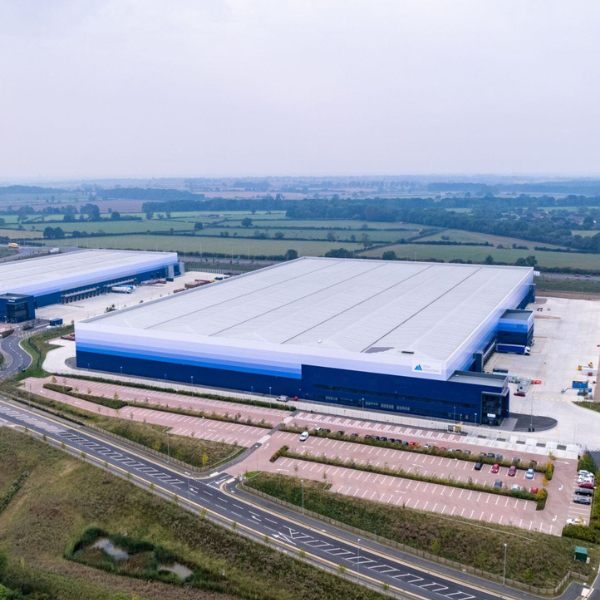
Built specifically for growing eCommerce brands, fulfilmentcrowd helps fashion retailers simplify complex logistics while delivering the fast, seamless shopping experience customers expect. Its global fulfillment network, in-house technology and fashion-specific workflows are designed to support brands selling clothing, footwear, and accessories at every stage of growth.
Unlike generic 3PL providers, fulfilmentcrowd has developed services around the unique challenges of global fashion fulfillment, including:
- Fast, scalable order fulfillment for product launches, influencer campaigns, seasonal demand, and Black Friday peaks
- Fashion-focused returns management with self-service returns, automated processing, return reason reporting, and rapid restocking
- Real-time inventory visibility across every SKU, sales channel, and warehouse location
- Custom branded packaging including premium unboxing experiences, gift notes, inserts, kitting, and sustainable packaging options
- Global fulfillment capabilities that allow brands to position inventory closer to customers and expand wherever demand takes them
- Marketplace and eCommerce integrations with platforms including Shopify, TikTok Shop, Amazon, and leading fashion marketplaces, helping brands manage omnichannel sales from a single platform
Already supporting the growth of hundreds of eCommerce brands worldwide, fulfilmentcrowd helps businesses scale into new regions and maintain high service levels through periods of rapid growth.
Final thoughts
Fashion trends may change every season.
Customer expectations rarely move backwards.
Brands that invest in scalable fashion eCommerce fulfillment are better positioned to manage growth, improve customer experience, and protect profitability.
Whether you're shipping 100 orders a month or 100,000, the right fulfillment strategy helps create the operational foundation needed for long-term success.
Because while customers may buy your products for the design, they'll often remember the experience just as much as what arrived inside the box.